


What Is Newsjacking? The PR Tactic That Earns Instant Attention.
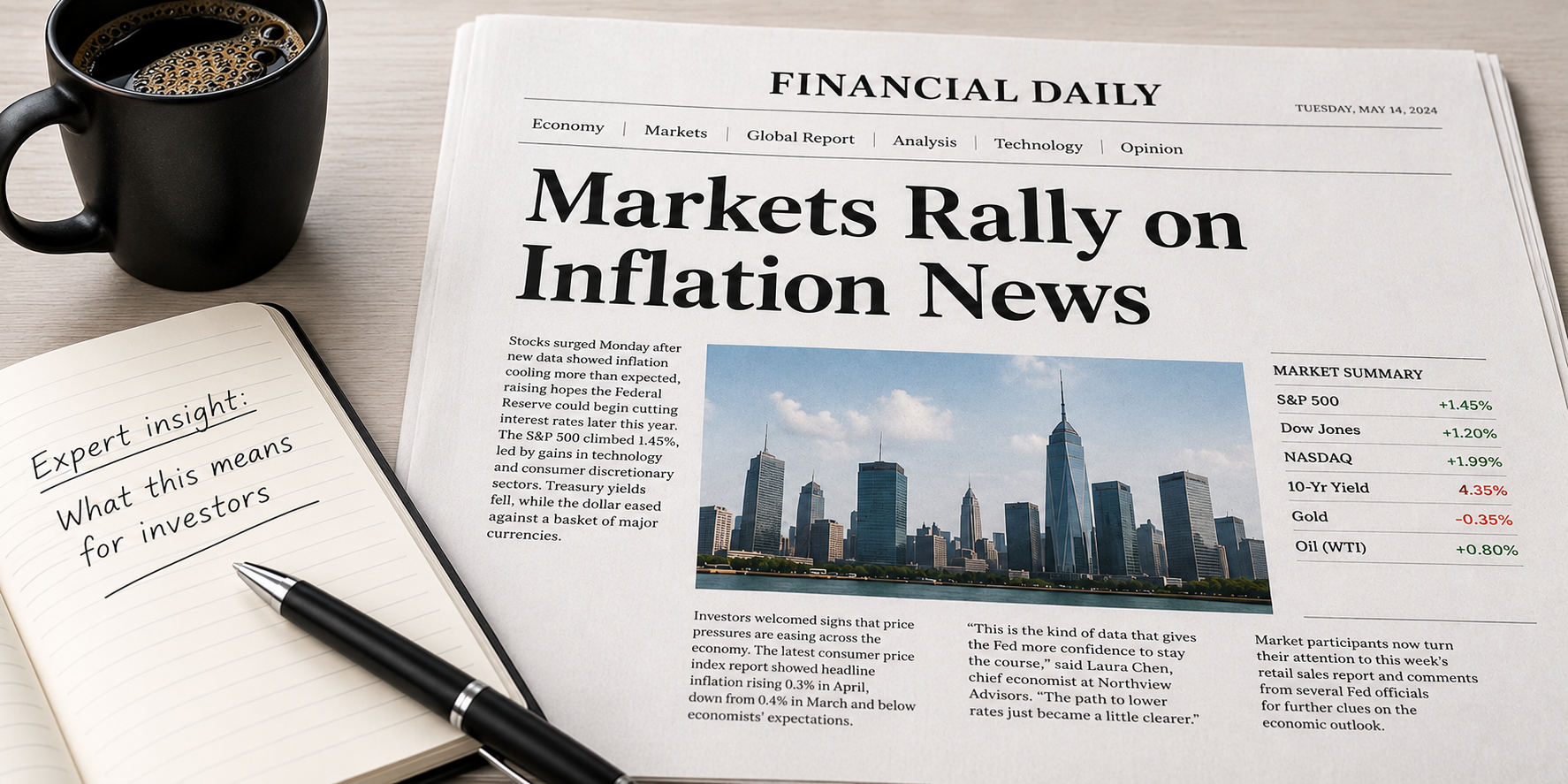
In PR, reading the news, capitalizing on it and providing a quick perspective (maybe contrarian) is everything.
Markets move on headlines. Regulators move on headlines. And increasingly, so does brand perception. One day, it’s a Federal Reserve decision. The next, it’s a regional bank collapse, a new SEC ruling or an earnings surprise that ripples across industries.
In those moments, journalists aren’t waiting for press releases; they’re looking for quick, credible perspectives.
That’s where newsjacking comes into play.
So, what is newsjacking, how is it different from trendjacking and when should brands jump onto newsjacking opportunities and when should they steer clear? In this post, we’re taking a deep dive.
What is newsjacking?
At its core, newsjacking is the practice of inserting your brand’s voice, expertise or point of view into breaking news to earn visibility in real time. Done right, it builds credibility. Done poorly, it can damage it just as fast.
Picture this: you’ve barely finished your coffee when a major policy update hits. By the time you check Slack, journalists are already writing and your client has something to say. Cue PR adrenaline.
That’s a textbook newsjacking moment.
The term combines “news” and “hijacking,” but the intent isn’t disruption. The concept, popularized by marketer and author David Meerman Scott, is now a core part of modern PR and newsjacking marketing strategies.
So, what is newsjacking in practice?
It’s not waiting for inbound media requests. It’s proactively identifying the moment and inserting your perspective before the narrative fully forms.
That’s what separates it from reactive PR.
The difference between smart and sloppy newsjacking comes down to value. If your commentary simplifies complexity or adds real context, it belongs. If it doesn’t, it’s noise.
Newsjacking vs. trendjacking (and why it matters)
You’ve probably also heard the term trendjacking, but it’s not the same as newsjacking, and the distinction matters. If newsjacking was a sprint, trendjacking is more of a marathon — slower burn, cultural momentum.
Newsjacking ties directly to breaking news cycles. Think market moves, regulation changes, data releases and earnings calls. So “this just happened — here’s what it means.”
Trendjacking, on the other hand, anchors in pop culture. Think memes, challenges and viral “everyone’s talking about it” moments. In other words, “this is trending — here’s how we’re playing along.”
Both can be useful, but they serve different purposes. Newsjacking in PR is far more effective for credibility and earned media, while trendjacking tends to perform better on social media, where engagement and personality matter more.
The mistake is treating them as interchangeable.
Why newsjacking matters
Most companies don’t struggle with having opinions. They struggle with being heard.
Newsjacking solves that problem by inserting your brand into conversations that are already happening. Instead of trying to create attention from scratch, you’re tapping into momentum that already exists.
That’s what makes newsjacking marketing so powerful. It increases visibility, builds credibility and positions executives as voices who understand what’s happening in real time. Not only that, it adds a layer of personality, showing that your brand isn’t just reactive, but aware and engaged.
It also levels the playing field, giving challenger brands a chance to punch above their weight. In news-driven moments, speed, insight and relevance often matter more than name recognition. A well-timed, thoughtful perspective can outperform a much larger competitor simply because it shows up first, and says something better.
And in breaking news moments, that is often what gets quoted.
What good (and bad) newsjacking actually looks like
The best newsjacking feels timely and actually adds something useful when everything else might feel chaotic.
When news of a major bank collapse broke, journalists immediately went in search of industry experts who could provide context on what it meant, how it might affect the rest of the ecosystem and what may have caused it. The companies whose leadership were quoted weren’t the ones promoting themselves. They were the brands offering clear, grounded perspectives on liquidity risk, depositor behavior and systemic exposure.
The same pattern holds during Federal Reserve announcements or inflation data releases — firms that translate macroeconomic shifts into real-world consumer or business impact consistently outperform generic commentary.
The pattern is consistent. Good newsjacking simplifies complexity. Bad newsjacking does the opposite.
The most common mistake is commentary that exists for visibility rather than insight. If a statement could apply to any company in any industry, it’s not useful.
Another issue is tone-deaf timing, especially when brands insert themselves into sensitive events or provide overly promotional messaging.
And then there’s forced relevance, trying to connect your brand to a story that has no real connection to your expertise. Journalists can spot it immediately, and it rarely results in coverage. Worse, it can actually damage your credibility.
The underlying rule is simple: if you don’t have something meaningful to add, don’t add noise.
Why newsjacking works
Newsjacking earns attention in the moment, but the true payoff is long-term credibility.
Audiences are looking for meaning in layman’s terms, not thinly veiled self-promotion. They want clarity in real time and consistency over time.
Done well, it:
- Inserts your brand into active media cycles
- Builds trust through timely, credible commentary
- Positions executives as voices who “get it” in real time
You don’t need decades of brand equity to be part of the conversation. And sometimes, a slightly contrarian view doesn’t hurt either. As with thought leadership, what’s important is that you have something to say that adds to the conversation in a meaningful way.
How to actually execute it
Effective newsjacking is simple in theory, but difficult in practice because it requires both speed and judgment.
It starts with monitoring. You need real-time visibility into what’s happening in markets, regulation and the broader fintech ecosystem. The goal is not to track everything, but to identify what actually matters.
From there, relevance becomes the filter. Not every headline deserves a response. The question is always the same “does this intersect with our expertise, and can we add something meaningful?”
Speed matters, but judgment matters more. Credibility is fragile. A fast but shallow take can do more harm than good.
The strongest commentary doesn’t repeat the news, it interprets it. It explains what the headline means for markets, businesses or consumers.
And finally, channel choice matters. Media commentary is ideal for earned visibility. Press outreach helps put spokespeople directly in front of journalists. LinkedIn is often best for executive thought leadership. Blog content supports SEO depth.
The tactic itself is straightforward. The judgment behind it is what separates average from effective.
Newsjacking pitfalls to avoid
Newsjacking is powerful, but in fintech it comes with higher stakes.
The biggest risk is reputational — not just missing the moment, but misreading it. Commenting on sensitive financial events without care or context can damage credibility quickly.
Timing is another risk. In fast-moving markets, a delayed response often means no response at all.
There’s also the issue of forced relevance, which tends to do more harm than good. And then there’s overuse. Not every headline is an opportunity, and brands that try to comment on everything often end up saying nothing meaningful at all.
Sometimes, the strongest move is knowing when to stay out of a conversation. Restraint signals maturity, and builds trust.
Turning headlines into authority
Newsjacking isn’t about being loud or chasing every headline. It’s about knowing which moments matter, where your brand has a right to weigh in and what perspective will actually help the conversation.
Done well, newsjacking can earn attention in real time. But the longer-term value comes from showing up consistently with clear, credible insight when the market is looking for answers.
The brands that get it right don’t force relevance. They choose the right moments and bring something useful to them — whether that means helping journalists understand a complex issue, giving audiences a clearer read on what just happened or helping shape how a story is understood.
And that’s the difference between reacting to the news cycle and contributing to it.
Wondering how to leverage relevant news to build brand visibility? Let’s talk about how we can help you craft thoughtful positions, identify the right opportunities and bring a credible perspective to the moments that matter.
SHARE


Up Next.
We Certified Our Entire Team in Digital Metrics. Here’s What It Means for Fintech PR.
Read More