

Thought Leadership in Fintech Requires a Strong Opinion — Why Your Strategy Depends on It.

Landing a dream headline, getting an on-air invitation to weigh in on breaking news, going viral with a LinkedIn post or catching the attention of panel organizers at a major conference… None of these happen by accident.
Each requires a point of view. That’s as true for individuals as it is for brands.
Yet too many companies assume playing it safe is the surest way to protect their reputation. And to be clear, there are times when staying neutral is the best — say, if a close partner stumbles. As always, judgment is the name of the game.
But in fintech and other crowded, fast-moving industries, only staying in the safe zone quickly translates to being seemingly invisible — especially if you don’t have hard news to share.
Absent real news, a point of view is a must if you ever hope to cut through the noise.
The trick is knowing when and where to weigh in, and when holding back is the smartest move. That balance is at the core of true thought leadership.
Let’s start where stories are made or buried: with reporters.
Reporters aren’t looking for recaps — they want perspective
Fintech reporters already know what’s happening in the industry. They don’t need you to summarize the headlines. What they’re looking for is interpretation: what the news means, what happens next and why it matters.
Enter thought leadership.
Every day, reporters are flooded with generic quotes and cookie-cutter pitches. And the honest truth? Most commentary like this never even sees the light of day.
The commentary that sticks is the kind that goes beyond observation to deliver insight.
When news breaks, reporters want interpreters, not spectators. The more you can connect the dots, make a prediction or take a contrarian stance, the more likely you are to get the call. (And keep getting called.)
Playing it too safe is a missed opportunity
The fear of being “too bold” leads to forgettable commentary. Neutral, non-committal statements won’t differentiate your company or leadership from your competition. Fintech moves fast – reporters receive dozens of pitches (sometimes hundreds!) each day, so it’s crucial that you arm your PR team with the insights they need to help you stand out.
Interviews aren’t secured with blanket statements. If your quote sounds like anyone could have said it? Well, anyone could have said it.
Standing out requires substance; not just participating, but saying something that matters. The right PR team should push you to think differently — about your business, your industry and where it’s headed — by asking questions that surface unique views and challenge industry assumptions.
Not sure what to look for when choosing a PR agency? Here are four questions you should ask any prospective communications partner.
A strong view doesn’t mean being reckless
Of course, a bold point of view shouldn’t come at the expense of your reputation. The role of PR is to help you strike a balance between being bold and staying aligned with your values and long-term goals.
Making a splash for the sake of it isn’t a strategy. At best, it’s just noise. At worst, it can destroy the reputation you’ve worked hard to build.
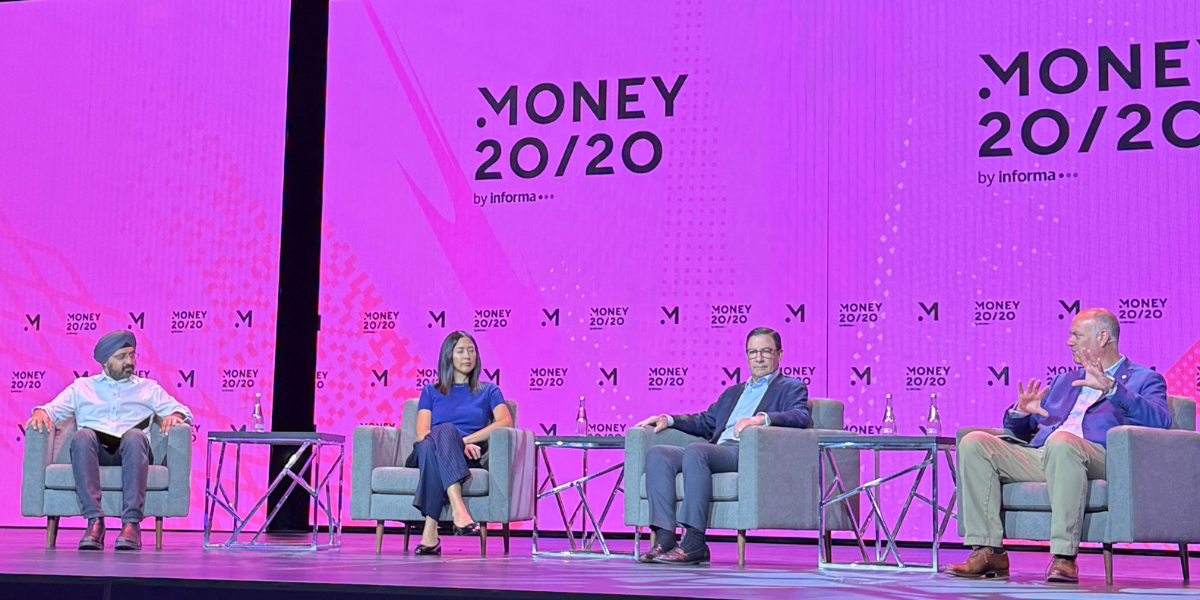
Like it or not, what you say to the media, in a LinkedIn post or on stage at Money20/20 is a reflection of your broader business. The key is knowing how to share an opinion in a way that:
- Adds perspective, not just commentary. The topic you’re discussing should tie back to a core business pillar or a strategic priority. Opining on topics that are unrelated to your business will lead to questions from the media and very likely hinder broader PR goals.
- Supports your credibility and expertise. Sharing a clear point of view on issues that your business deals with daily can increase brand awareness and establish you as a thought leader in your field. Reporters and the general public are much more likely to pay attention to your opinions if you’re commenting on topics you deal with day in and day out. Credibility requires both a relevant topic and a controlled stance: a strong, decisive argument is great, but it must be supported by facts and personal experience, and explained logically.
- Aligns with your company’s bigger story. Think through your commentary and any potential implications to investors, customers and partners. If views are hot-button issues across these audiences, it’s probably best to steer clear. But where there is general alignment, establishing a credible voice across various public channels can help boost your brand and establish an authoritative voice.
Real-world example: when opinions drive visibility
Now that the building blocks of a successful thought leadership strategy have been established, let’s explore what taking a strong stance looks like in practice. How are industry leaders developing a strong stance while maintaining relevance, building credibility and leveraging their audience to create impactful PR campaigns?
Take, for example, the tech investment giant SoftBank, who recently launched a media campaign focused on establishing the company as an AI visionary and differentiating its point of view from those of its competitors.
With CEO Masayoshi Son at the forefront, SoftBank took numerous authoritative stances on artificial intelligence — “AI will surpass human intelligence by 2030” and “AI will have human-level capabilities in a few years,” to name a couple — and branded themselves as “vision capitalists” who invest in AI to create opportunities for people around the world.
Not surprisingly, the strong, opinionated campaign has produced huge results: SoftBank leveraged its credibility as a leading tech investor to comment on a relevant topic, leading to headlines in global business publications, hundreds of thousands of views on owned blog posts, ongoing conversations on social media and more.
What’s more? Not only was it effective; it didn’t require a massive marketing budget.
Proof you don’t need to have billions of dollars at your disposal to create a successful thought leadership campaign. With the right PR partner helping you shape thoughtful opinions and a smart media strategy, you can go further than you ever thought possible.
The bottom line: visibility follows bold, informed views
If you want to build thought leadership, media presence and brand trust in the fintech industry and beyond, you can’t be afraid to have — and share — an opinion.
The stronger the view, the more likely the chance of being published, quoted or invited to the conversation. Companies that play it too safe risk being left out of the discussion altogether.
Most teams have opinions worth sharing — the hard part is knowing when to lean in and when to hold back. If positioning your company as a thought leader in your space is a priority, let’s chat.
SHARE


Up Next.
5 Highlights From Money20/20 USA 2025.
Read More